
Applied design of experiments (DOE) guides
Practical DOE guides for assay robustness, analytical method transfer, formulation studies, and shared lab instruments.
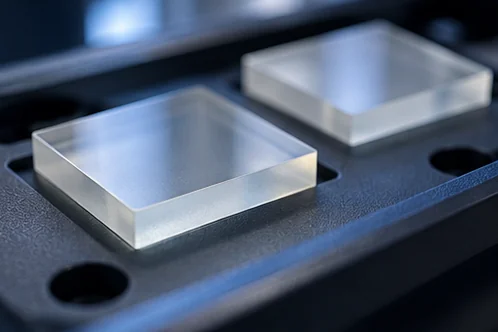
DOE for assay robustness: planning a study for biotech teams
Plan an assay robustness DOE with clear responses, independent preparations, day-to-day blocking, and a practical confirmation step.
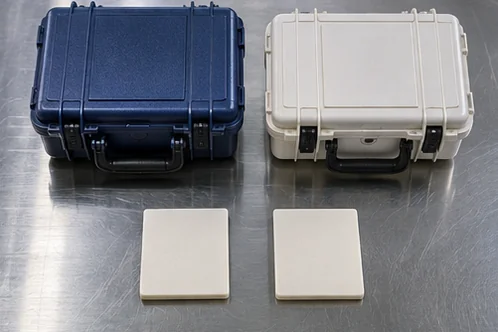
DOE for analytical method transfer: a practical CRO guide
Plan a method transfer DOE that separates site effects from method settings and gives sponsors an interpretable study handoff.
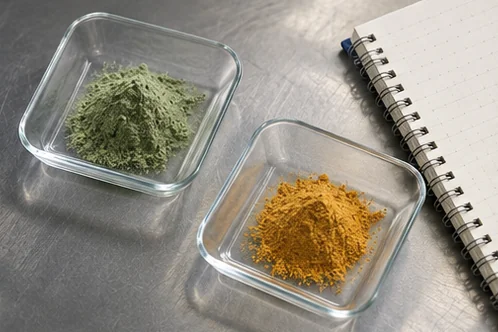
DOE for formulation development: screening and balancing responses
Structure a formulation DOE around feasible factors, quality guardrails, interactions, and independent confirmation before using the result.
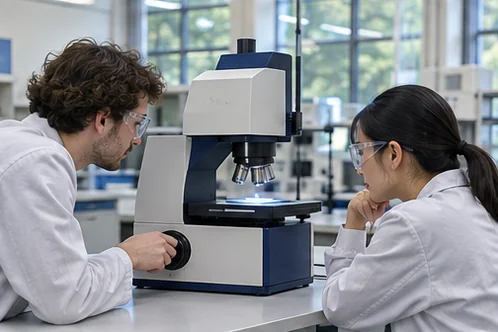
DOE for shared lab instruments: a guide for core facilities
Use blocking and independent replication when several labs share instruments, operators, and run days.
Compare design choices across studies
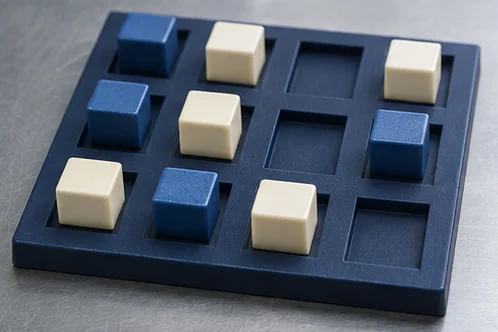
Full factorial vs. fractional factorial DOE: how to choose
Compare run counts, aliases and interaction trade-offs in full and fractional factorial designs, with a practical selection checklist.
Technical repeats vs. independent replicates in DOE
Find the right experimental unit, avoid pseudoreplication, and decide whether the next run should add units or repeat a reading.
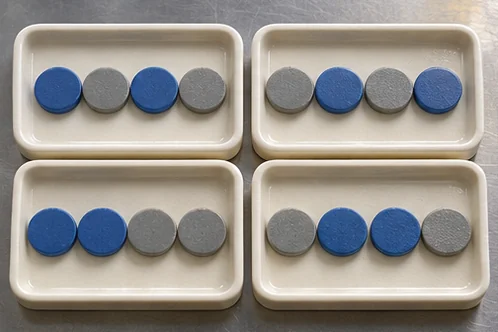
Blocking and randomization in DOE: managing day and instrument effects
Plan blocks and randomize within real lab constraints to keep treatment effects interpretable across days, instruments, and operators.
Experiment design review checklist for bench scientists
Use an experiment design review checklist covering your question, decision rule, controls, independent units, run order, and analysis plan.